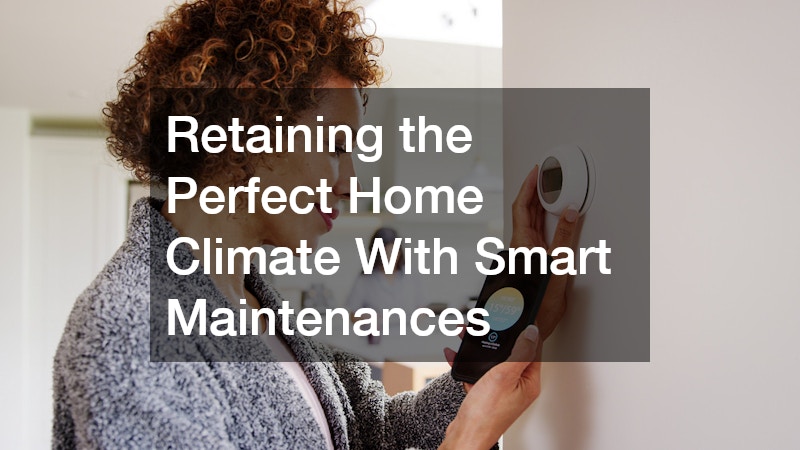
Achieving a perfectly balanced indoor climate is one of the foundational elements of home comfort, yet it is a goal that eludes many homeowners. Too often, we treat indoor temperature as a simple matter of adjusting the thermostat. When a room feels drafty in the winter or stifling in the summer, the immediate reaction is to turn up the heat or crank down the cooling. This approach treats your home’s climate control as an isolated mechanical function rather than what it truly is: an interconnected ecosystem.
Your living space relies on a delicate balance between the structural envelope—the roof, walls, windows, and floors—and the mechanical systems that condition the air. If the exterior barrier is compromised, your heating and cooling equipment must work twice as hard to maintain a stable environment. This structural strain results in uneven temperatures, poor indoor air quality, and spiking energy bills. Taking control of your environment requires moving away from reactive fixes and embracing a proactive, whole-home strategy. By understanding how different components of your property interact to trap or release thermal energy, you can implement smart maintenance habits that effectively lock in comfort. Investing time with this approach allows you to achieve a consistently comfortable and energy-efficient home environment, leading to long-term benefits both environmentally and financially.
Stop the Stack Effect by Inspecting Your Attic and Shingles

A home acts like a chimney due to a phenomenon known as the stack effect. In cold weather, warm indoor air naturally rises and attempts to escape through the highest points of the house. As this air exits through the roof, it creates a vacuum that pulls cold, drafty air inside through lower windows, doors, and floorboards. In the summer, the process reverses as intense solar heat radiates down through your roof deck, turning your attic into an oven that radiates heat into your living spaces. Protecting this upper barrier is critical.
- Examine your shingles: Look closely at your roofline for signs of curling, cracking, or missing materials that allow moisture and external air to penetrate.
- Evaluate attic insulation: Ensure your attic has the correct R-value of insulation for your region, preventing indoor heat from radiating upward.
- Assess roof ventilation: Ensure that soffit, ridge, and gable vents are free of debris so that trapped heat and moisture can escape safely.
- Work with professionals: If you notice structural sagging, widespread granule loss on shingles, or persistent leaks, it is time to hire a certified roofing contractor to handle repairs before structural damage ruins your insulation.
Seal the Outer Barrier Against Severe Drafts
While the roof manages vertical thermal transfer, your exterior walls handle lateral environmental pressures. High winds, driving rain, and intense sunlight punish your exterior siding every day. When siding cracks, warps, or pulls away from the home’s sheathing, it creates a pathway for outside air to bypass your wall insulation entirely.
- Inspect panel gaps: Walk your property annually to look for loose panels, warping, or holes caused by pests or storm impacts.
- Check for hidden mold: Look for discolored areas or soft spots on your exterior that indicate moisture is trapped behind the protective barrier.
- Recalk joints and trim: Apply high-grade exterior silicone caulk around window frames and door trim where the siding meets structural openings.
- Upgrade old materials: When siding has reached the end of its lifespan, coordinating with professional siding companies to install modern insulated siding can dramatically boost your home’s thermal resistance.
Deflect Solar Radiation with Strategic Window Treatments
During peak summer months, sunlight streaming through glass creates a greenhouse effect inside your rooms. This radiant heat gain can cause localized hot spots, forcing your cooling systems to run continuously to balance out a single warm room. Conversely, in the winter, unprotected glass cools down rapidly, chilling the indoor air that comes into contact with it and creating uncomfortable down-drafts.
- Deploy seasonal coverings: Use heavy, tightly woven draperies or cellular shades to create an extra insulating layer of still air right against the glass.
- Optimize daily operation: Close window coverings on east-facing windows in the morning and west-facing windows in the afternoon to block direct summer sun.
- Invest in tailor-made solutions: Standard off-the-shelf window treatments often leave significant gaps at the sides where air can circulate freely; opting for custom blinds ensures a precise, edge-to-edge fit that maximizes thermal retention.
- Utilize reflective backing: Choose window treatments featuring a white or reflective backing to bounce solar rays back outside before they heat up your rooms.
Weatherstrip Large Transitions to Protect Adjacent Rooms

The openings we use to move our vehicles and large equipment can also be major sources of temperature loss. An attached garage, for instance, is rarely fully conditioned. If the barrier between your garage and your primary living space is weak, extreme cold or heat will freely migrate into your kitchen, hallways, or upstairs bedrooms.
- Check the bottom threshold: Inspect the flexible rubber seal at the base of your main overhead door to ensure it makes complete contact with the concrete floor.
- Lubricate moving parts: Keep tracks, rollers, and springs moving smoothly with silicone spray to ensure the door closes tightly and flush every single time.
- Insulate the door panels: If your overhead door is a single sheet of uninsulated metal, apply a foam core insulation kit to stabilize the internal temperature of the space.
- Commit to routine checks: Making garage door maintenance a regular part of your spring and fall home checklist keeps this massive transitional zone from draining your indoor energy.
Choose Underlayments that Prevent Radiant Heat Loss
Floors built over unconditioned crawlspaces, cold basements, or concrete slabs are highly susceptible to thermal transfer. Without proper insulation underneath the finished surface, heat from your living space will continually sink into the cold subfloor.
- Match materials to your climate: Hardwood and stone offer beauty but transfer heat quickly; carpet and cork provide native thermal resistance.
- Prioritize insulating sub-layers: When replacing flooring, always specify a high-density acoustic and thermal underlayment to form a barrier against cold concrete slabs.
- Utilize area rugs: In rooms where hard surfaces are preferred, lay down thick wool rugs during the winter months to add a quick layer of insulation.
- Visit a showroom: Before starting a renovation project, consult with experts at a local flooring store to pick materials that balance aesthetic desires with the thermal demands of your specific climate zone.
Fix Hidden Leaks that Spike Sub-Floor Humidity
Indoor climate is a measurement of both temperature and humidity. High moisture levels make summer air feel sticky and oppressive because it prevents our sweat from evaporating. In the winter, damp air can make a room feel bone-chillingly cold. Much of this unwanted ambient moisture originates below our feet from undetected water issues.
- Inspect exposed pipe runs: Check basements, crawlspaces, and utility closets for sweating pipes or slow, dripping connections.
- Monitor water pressure: A sudden drop in home water pressure or an unexplained spike in your water bill often indicates a hidden pipe failure behind walls or under floors.
- Seal foundation cracks: Ensure that ground water isn’t seeping through foundation walls and raising the relative humidity of your lower levels.
- Keep infrastructure clear: Addressing any underlying plumbing failures immediately prevents moisture from rotting floor joists, ruining insulation, and permanently skewing your indoor climate.
Schedule Pre-Season Diagnostic Tune-Ups

Air conditioning systems lose efficiency when dust accumulates on coils, motors strain against friction, or refrigerant levels drift away from manufacturer specifications. Operating a system that is struggling under these conditions leads to premature wear, uneven cooling, and high energy bills.
- Clear the outdoor condenser: Remove leaves, grass clippings, and overhanging brush from around your exterior unit to ensure unrestricted airflow.
- Straighten coil fins: Use a fin comb to correct bent aluminum fins on the outdoor unit that can block air from moving across the coils.
- Clean the condensate line: Flush the drain line with a cup of vinegar every few months to prevent algae growth from clogging the line and causing indoor water damage.
- Call in the specialists: Before the summer heat arrives, schedule a professional checkup for air conditioning repair to test electrical draw, verify refrigerant charges, and deep-clean hard-to-reach internal components.
Calibrate Air Distribution and Ductwork Integrity
Even the most powerful climate control system will fail if the conditioned air cannot reach your living spaces. Leaky ductwork can vent precious warm or cool air into attics, crawlspaces, or wall cavities, starving your bedrooms and living rooms of comfort.
- Change air filters regularly: Replace standard pleated filters every thirty to ninety days to keep airflow strong and prevent dust from blanketing your system’s internal sensors.
- Balance your registers: Avoid closing off more than ten percent of your home’s supply vents, as doing so builds up excessive static pressure that can damage your system.
- Seal accessible duct joints: Use mastic paste or foil tape on visible duct seams in your basement or attic to keep air from escaping.
- Establish a relationship with pros: Relying on a trustworthy local hvac company for annual duct inspections and static pressure testing ensures your system distributes air evenly to every corner of your home.
Modernize Aging Heating Units to Lower Baselines
When winter arrives, your heating infrastructure faces non-stop demands. Older heating units often suffer from degraded heat exchangers, faulty ignition systems, or outdated atmospheric venting designs that waste a significant percentage of the fuel they consume.
- Listen for unusual noises: Thumping, scraping, or rattling sounds indicate mechanical issues or failing blower motors that need immediate attention.
- Monitor the pilot light: If your gas system features a visible pilot light, it should always burn a crisp, steady blue; a yellow or flickering flame suggests improper combustion.
- Test safety controls: Ensure carbon monoxide detectors are placed near your heating equipment and tested monthly for absolute peace of mind.
- Plan your upgrades: If your heating system requires frequent fixes or struggles to maintain a consistent temperature, it may be time to transition to a modern, high-efficiency system by researching options for furnace installation and repair before a mid-winter breakdown occurs.
Insulate Distribution Pipes and Flush Storage Tanks

Standard tank-style water heaters store dozens of gallons of hot water around the clock. If the tank insulation is poor or the hot water distribution pipes running through your walls are bare, heat escapes continuously into the surrounding spaces. This standby heat loss can warm up nearby utility rooms, pantries, or closets, throwing off nearby wall thermostats and confusing your central cooling system.
- Wrap the storage tank: If you have an older tank model that feels warm to the touch, install a fitted fiberglass insulation blanket to trap the heat inside the unit.
- Insulate hot water lines: Snap foam pipe insulation over the first six feet of exposed hot water lines exiting the water heater to preserve water temperature and keep ambient room temperatures cool.
- Flush out sediment annually: Drain a few gallons of water from the bottom drain valve each year to remove mineral scale buildup, keeping the heating elements or burners operating efficiently.
- Upgrade your configuration: Maintaining your water heaters correctly lowers your overall energy baseline and prevents unexpected spikes in indoor humidity caused by slow relief-valve leaks or tank condensation.
Managing your indoor climate is a continuous process that blends regular structural inspections with disciplined mechanical maintenance. By viewing your home as a complete, unified system, you can move away from temporary fixes and cultivate an environment that remains stable, comfortable, and affordable throughout every season.
Every action you take adds up. Sealing your roof line, optimizing window coverings, maintaining your flooring foundations, and scheduling routine cleanings for your heating and cooling equipment all work together toward a singular goal: reducing the workload on your appliances while maximizing your daily comfort.
Investing a little time into these proactive habits preserves your property’s structural integrity and keeps your utility bills manageable. Start with small, manageable tasks like swapping out your air filters and inspecting your exterior walls, then build up to a comprehensive annual maintenance routine. Your home will reward your efforts with reliable, comfortable performance, ensuring a welcoming sanctuary for your family no matter how extreme the weather gets outside.