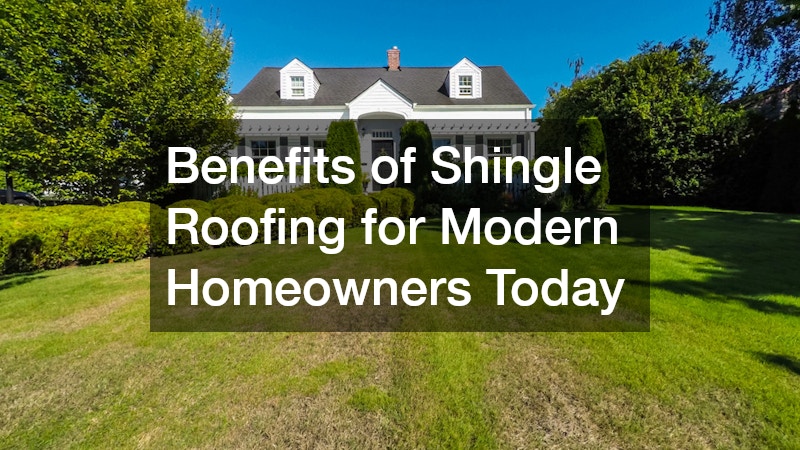
Choosing the right roofing material is one of the most important decisions a homeowner can make. A roof does far more than cover a home—it protects against weather damage, improves energy efficiency, influences curb appeal, and affects long-term property value. With so many roofing materials available today, homeowners often look for an option that balances affordability, durability, appearance, and ease of maintenance.
Asphalt shingles continue to stand out as one of the most practical choices for modern homes. They are versatile, cost-effective, and available in a wide range of styles and colors that complement nearly any architectural design. Whether you are building a new home, upgrading an aging roof, or researching options for future renovations, understanding the benefits of asphalt shingles can help you make a more informed investment.
Why Asphalt Options Continue to Dominate Residential Roofing
Modern homeowners want roofing materials that combine visual appeal with dependable performance. That is one reason shingle roofing continues to remain one of the most widely used roofing systems across the country. Homeowners appreciate its affordability, design flexibility, and ability to perform well in different weather conditions.
Another major advantage is the wide variety of styles available. Asphalt shingles are manufactured in multiple colors, textures, and thickness levels, allowing homeowners to customize the appearance of their homes without exceeding their budgets. This flexibility makes asphalt roofing suitable for both traditional and modern architectural styles.
Modern shingles are designed to withstand heavy rain, strong winds, UV exposure, and even hail damage in many climates. They are also available in several styles, including:
- Three-tab shingles for budget-conscious homeowners
- Architectural shingles for enhanced durability and appearance
- Luxury shingles that mimic slate or wood shake roofing
Many professional roofers recommend asphalt materials because they are easier to install and repair than some specialty roofing systems. Faster installation often means lower labor costs and reduced disruption for homeowners during projects.
Additional benefits include:
- Strong fire-resistance ratings
- Easier maintenance compared to tile or metal roofs
- Broad manufacturer warranty options
- Reliable performance in multiple climate zones
- Lower upfront costs than many premium roofing materials
For homeowners looking for a practical long-term investment, asphalt shingles remain one of the most balanced solutions available. Their combination of affordability, durability, and visual appeal continues to make them a preferred option for residential properties of all sizes.
How Proper Installation Improves Long-Term Performance
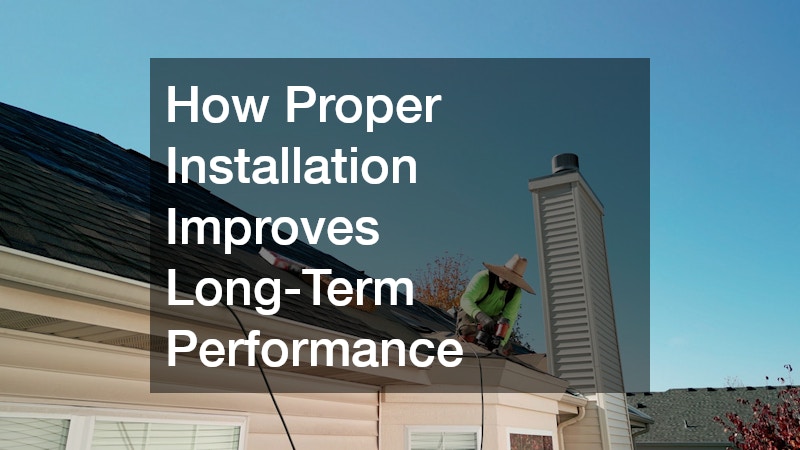
The quality of installation has a direct impact on how long a roof lasts and how effectively it protects a home. Even premium materials can fail prematurely if installation errors occur during the construction process. That is why homeowners should carefully research contractors before beginning any roofing project.
Professional roof installations involve much more than simply attaching shingles to a roof deck. Contractors must evaluate ventilation systems, flashing placement, moisture protection, and structural integrity before installation begins. Addressing these details early helps prevent future leaks and long-term structural issues.
Experienced installers typically focus on several critical areas:
Ventilation
A properly ventilated attic helps regulate temperature and moisture levels. Without adequate airflow:
- Heat can become trapped during summer months
- Moisture buildup may cause mold growth
- Shingles may deteriorate faster
- Energy costs can increase
Flashing and Waterproofing
Flashing protects vulnerable areas such as:
- Chimneys
- Roof valleys
- Skylights
- Vents
Incorrect flashing installation is one of the most common causes of leaks.
Precise Installation Techniques
Professional crews understand manufacturer specifications regarding:
- Nail placement
- Shingle overlap
- Underlayment application
- Ridge cap installation
Homeowners should always research roof contractors carefully before hiring a company. Important questions to ask include:
- Are they licensed and insured?
- Do they offer workmanship warranties?
- Can they provide local references?
- How long have they worked in the area?
- Do they specialize in residential roofing systems?
Working with skilled professionals often prevents expensive problems in the future and helps maximize the lifespan of the roof. Investing in experienced installers may cost slightly more upfront, but it can save homeowners thousands of dollars in avoidable repairs later.
Energy Efficiency Benefits for Modern Homes
Energy efficiency has become a major priority for many homeowners, especially as utility costs continue to rise. Roofing systems now play a much larger role in regulating indoor temperatures and reducing overall energy consumption. Choosing the right materials and installation methods can significantly improve household comfort throughout the year.
Many modern roofing services now include energy-efficient upgrades as part of residential roofing projects. Reflective shingles, improved ventilation systems, and upgraded underlayment materials all contribute to better temperature control inside the home. These improvements can reduce strain on HVAC systems and create more stable indoor conditions.
Many asphalt shingles now feature reflective granules that reduce solar heat absorption. This can help homeowners maintain cooler attic temperatures during warmer months.
Energy-efficient roofing systems may offer several advantages:
- Reduced air conditioning usage
- Lower monthly utility bills
- Improved indoor comfort
- Less strain on HVAC systems
- Better long-term energy performance
A knowledgeable construction contractor may also recommend additional upgrades during roofing projects, including:
Improved Attic Insulation
Proper insulation works together with the roof system to minimize energy loss.
Enhanced Ventilation Systems
Balanced intake and exhaust ventilation help regulate attic temperatures year-round.
Moisture Barriers
Waterproof underlayments protect against moisture intrusion while supporting energy efficiency.
Cool Roof Technology
Certain shingles are specifically designed to reflect more sunlight and absorb less heat.
Homeowners planning exterior renovations can often save money by coordinating roofing improvements with siding, gutter, or insulation upgrades. Combining projects reduces labor duplication and improves overall home efficiency while increasing long-term property value.
Warning Signs That Indicate Serious Roofing Problems
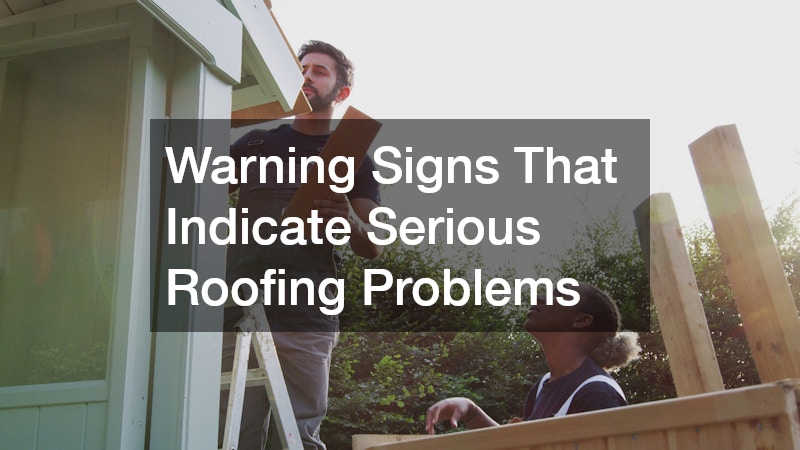
Many roofing issues begin as small problems that are easy to overlook. Unfortunately, delaying repairs often allows moisture intrusion and structural damage to spread throughout the home. Homeowners who recognize warning signs early are more likely to avoid expensive emergency repairs and major restoration work.
Routine inspections can help identify developing issues before they become severe. In some cases, roof repair services can resolve isolated damage quickly and affordably. However, older roofs or systems with widespread damage may eventually require complete roof replacements to restore proper protection.
Homeowners should regularly inspect for warning signs such as:
- Curling or cracked shingles
- Missing shingles after storms
- Granules are collecting in gutters
- Water stains on ceilings
- Sagging roof sections
- Mold or mildew in the attic
- Rising energy bills
- Visible daylight through attic boards
Age is another major factor. Most asphalt roofs last between 20 and 30 years, depending on material quality, climate, and maintenance.
Repairs are often practical when:
- Damage affects a small area
- The roof is relatively new
- Structural decking remains intact
- Leaks are isolated
Replacement may become necessary when:
- Damage is widespread
- Multiple leaks are present
- Repairs become frequent
- The roof approaches the end of its lifespan
Creating a maintenance routine can help homeowners identify problems earlier. Seasonal inspections are especially important after storms or extreme weather events.
A basic maintenance checklist should include:
- Cleaning gutters regularly
- Removing debris from roof valleys
- Inspecting flashing around vents and chimneys
- Checking attic ventilation
- Looking for loose or damaged shingles
Preventive care can significantly reduce long-term roofing expenses. Addressing small issues quickly often extends the lifespan of the roof while helping homeowners avoid larger structural concerns in the future.
How Climate Affects Roofing Durability
Weather conditions have a major influence on how long a roof lasts and how well it performs over time. Homes located in regions with frequent storms, high humidity, extreme heat, or heavy snowfall often experience different types of roofing challenges. Understanding these environmental factors can help homeowners make smarter maintenance and material decisions.
Climate-specific maintenance is especially important because roofing systems constantly face exposure to moisture, UV rays, temperature changes, and wind damage. In many areas, local roof repairs become necessary after severe storms or seasonal weather shifts. Staying proactive with inspections and repairs helps homeowners minimize long-term damage.
Hot climates create different challenges. Prolonged UV exposure may accelerate material aging, while high attic temperatures increase energy costs.
Cold-weather regions often face issues such as:
- Ice dams
- Freeze-thaw cycles
- Snow accumulation
- Moisture intrusion
Even lessons from commercial roofing systems can help residential homeowners improve durability and maintenance planning. Commercial properties often rely heavily on preventative maintenance schedules and drainage management systems to avoid costly structural problems.
Homeowners can improve roof longevity by following several climate-specific strategies:
For Storm-Prone Areas
- Schedule inspections after major storms
- Trim nearby tree branches
- Secure loose flashing quickly
- Address missing shingles immediately
For Hot Climates
- Choose lighter-colored shingles
- Improve attic ventilation
- Inspect for UV-related cracking
For Snowy Regions
- Remove excessive snow buildup safely
- Improve insulation to prevent ice dams
- Monitor attic moisture levels
Routine inspections become especially important in regions with rapidly changing seasonal weather patterns. Homeowners who adapt their maintenance strategies to local climate conditions often experience fewer roofing emergencies and longer-lasting performance.

Understanding Roofing Costs and Budget Planning
Roofing projects can represent a significant financial investment, especially for homeowners planning full system upgrades. Understanding the factors that influence pricing helps homeowners budget more effectively and avoid unexpected expenses during the project. Careful planning also makes it easier to compare estimates and identify the best long-term value.
Several factors influence the overall cost of a roofing project, including material selection, labor requirements, roof complexity, and structural repairs. Homeowners should remember that lower estimates are not always better if they involve lower-quality materials or inexperienced labor crews.
Several variables influence pricing, including:
- Roof size
- Roof pitch and complexity
- Material selection
- Labor rates
- Removal of old roofing
- Structural repairs
- Ventilation upgrades
Homeowners should also understand that the cheapest estimate is not always the best value. Extremely low bids sometimes indicate:
- Inferior materials
- Lack of insurance coverage
- Inexperienced labor
- Hidden future costs
A detailed estimate should clearly outline:
- Material specifications
- Labor charges
- Cleanup and disposal costs
- Warranty details
- Project timeline
Financing options are often available for larger projects. Some homeowners use:
- Home improvement loans
- Insurance claim funds
- Financing programs offered by contractors
- Home equity financing
Preventive maintenance is one of the best ways to reduce long-term costs. Spending a small amount annually on inspections and minor repairs can prevent expensive structural damage later. Keeping organized records of inspections, repairs, and warranties can also increase resale value and simplify future maintenance planning.
How to Choose the Right Company for Your Roofing Project
Selecting the right roofing company is one of the most important steps in protecting your investment. A reliable contractor helps ensure proper installation, quality workmanship, and long-term support if issues arise later. Homeowners who rush through the hiring process may end up facing expensive repairs or poor customer service down the road.
Researching companies thoroughly before signing a contract can help homeowners avoid common scams and low-quality workmanship. A trustworthy contractor should communicate clearly, provide transparent pricing, and explain every phase of the project in detail.
When comparing companies, homeowners should focus on more than just price.
Important evaluation factors include:
Experience and Reputation
Look for companies with:
- Strong local reviews
- Verified references
- Several years of experience
- Manufacturer certifications
Licensing and Insurance
Always verify:
- State licensing
- Liability insurance
- Workers’ compensation coverage
Without proper insurance, homeowners could become financially responsible for accidents on the property.
Written Contracts
A professional contract should clearly explain:
- Scope of work
- Materials used
- Payment schedule
- Estimated completion timeline
- Warranty coverage
Communication Quality
Reliable contractors should answer questions clearly and provide transparent updates throughout the project.
Homeowners should also avoid common red flags such as:
- High-pressure sales tactics
- Large upfront cash demands
- Unwillingness to provide references
- Vague estimates
- No physical business address
Building a long-term relationship with a trusted roofing company can provide ongoing value through inspections, maintenance, and future upgrades. Choosing experienced professionals gives homeowners greater confidence that their roofing system will continue protecting the home for many years.
Making Smart Roofing Decisions for Long-Term Protection
A roofing system is one of the most important structural components of any home. Investing in durable materials, skilled workmanship, and regular maintenance helps homeowners protect their property while improving comfort, efficiency, and resale value. Careful planning also reduces the likelihood of unexpected repairs and costly structural damage.
Modern asphalt roofing systems continue to provide an excellent balance of affordability, appearance, and long-term performance. Homeowners who stay proactive with inspections and maintenance are more likely to extend the lifespan of their roofs and maintain stronger overall home protection.
By understanding installation quality, energy efficiency, climate considerations, and maintenance strategies, homeowners can make more informed decisions about future roofing projects. Taking the time to research options carefully today can lead to better performance, greater peace of mind, and long-lasting value for years to come.