Smart homeowners know that maintaining and upgrading a house is a long-term strategy rather than a series of quick fixes. While cosmetic enhancements like trendy paint colors or decorative lighting can give a room an instant cosmetic lift, true property value is built from the inside out. Strategic improvements focus on structural integrity, weather protection, operational efficiency, and high-impact interior refinements.
By taking a holistic approach to home upgrades, you protect your building envelope, reduce recurring energy and utility expenses, and establish a living environment that retains its appeal year after year. Whether you plan to stay in your home for decades or position it for a lucrative future sale, focusing on high-impact renovations ensures every dollar spent contributes directly to equity.
Here is a comprehensive guide to prioritizing high-return improvements across your entire property.
Securing Your Roof Against Costly Water Damage and Structural Wear
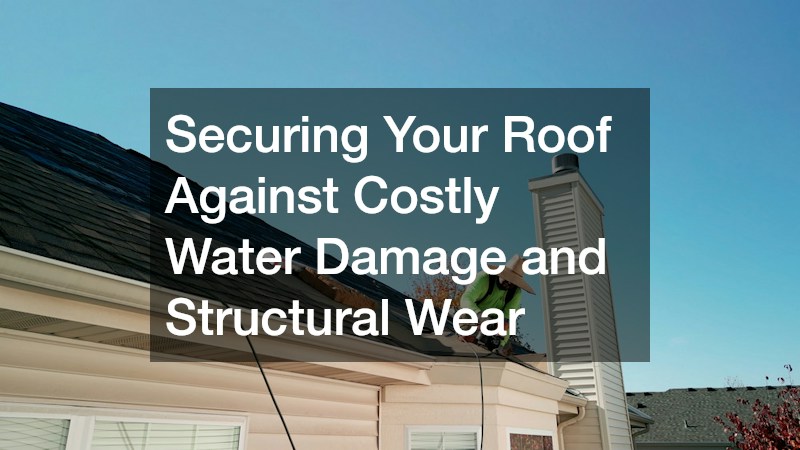
The primary shield protecting your property from the elements is its roofing system. Even minor flaws in this upper barrier can lead to major structural issues down the road if moisture seeps into the attic framing, ruins insulation, or rots exterior trim. Conducting routine inspections, particularly after severe weather, allows you to catch loose shingles, degraded sealant, and compromised flashing before they turn into major structural vulnerabilities.
Handling small issues early helps maintain structural protection and prevents localized moisture intrusion from spreading into interior living spaces. Timely roof repair keeps small leaks from rotting plywood decking, saturating insulation, or compromising interior drywall finish. When executing minor spot fixes, matching existing materials ensures that your home retains its aesthetic appeal while staying completely watertight.
Beyond spot maintenance, taking care of your roof yields significant financial dividends. A solid, well-maintained upper structure gives prospective buyers confidence, speeds up home inspections during resale, and lowers annual home insurance premiums by reducing water damage claims.
Critical Roof Maintenance Tasks
- Inspect valleys and flashing around chimneys, skylights, and vent pipes where water naturally concentrates.
- Clean accumulated leaves and debris out of valleys to prevent moisture trapping and moss growth.
- Secure or replace loose, curled, or missing asphalt shingles immediately following high-wind weather events.
- Check the attic space for signs of water staining, daylight penetration, or elevated moisture levels.
Finding Qualified Local Contractors for Essential Overhead Upgrades
While minor exterior touch-ups can often be handled by a handy homeowner, full-scale overhead projects require specialized expertise, specialized safety gear, and professional-grade materials. Structural modifications, total tearing off of existing materials, and complex pitch re-framing require trained hands to ensure the job meets municipal building codes and manufacturer warranty requirements.
Partnering with a licensed and reputable roofing company ensures that your structural updates are completed safely and to high industry standards. A qualified contractor evaluates total roof system dynamics, including proper intake and exhaust ventilation, underlayment quality, and drip-edge installation, rather than merely laying down new shingles.
Work with contractors who are fully insured, possess strong local references, and provide comprehensive labor warranties. Investing in qualified labor guarantees that high-grade materials perform as intended over their full rated lifespan.
Steps to Properly Vet Overhead Contractors
- Confirm active state licensing, general liability insurance, and workers’ compensation coverage before signing a contract.
- Request a written, line-item estimate that explicitly details teardown costs, material specifications, and cleanup fees.
- Ask about manufacturer certification levels, which often unlock extended system warranties for homeowners.
- Review previous project portfolios in your immediate neighborhood to verify workmanship quality.
Managing Foundation Water Flow to Prevent Erosion and Interior Moisture
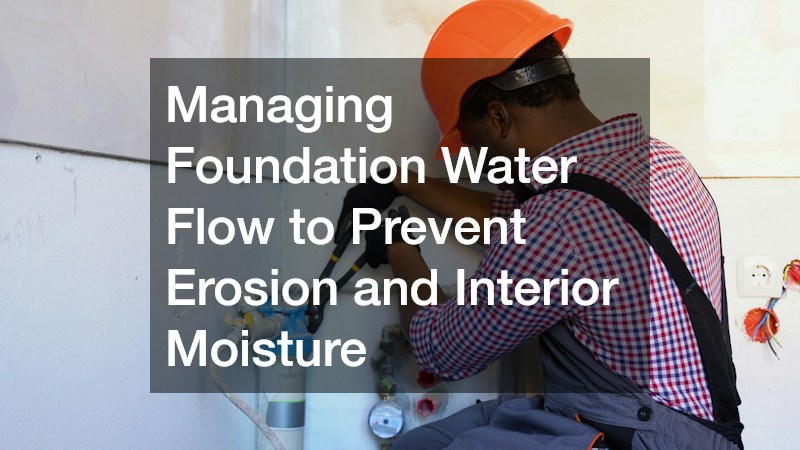
Water management at ground level is just as important as protection on the roof. Uncontrolled groundwater, poor grading, and misdirected downspout runoff can pool around your foundation, exerting hydrostatic pressure against basement walls and slab footings. Over time, this pressure causes structural cracking, interior dampness, efflorescence, and hazardous mold growth.
Professional drainage services offer engineered solutions designed to collect, divert, and discharge surface and subsurface water safely away from your structure. Solutions such as French drains, catch basins, surface swales, and commercial sump pump systems ensure that heavy rainstorms do not compromise your home’s foundation.
Proper water management protects your home’s structural foundation, preserves exterior concrete flatwork, and prevents soil erosion around expensive outdoor plantings. A dry basement or crawlspace also adds usable, functional square footage that enhances the overall market value of your property.
Key Indicators Your Property Needs Better Water Management
- Standing water or persistent soggy zones in the yard hours after rainfall ends.
- Damp spots, white powdery mineral deposits, or musty odors along interior basement walls.
- Soil erosion paths forming along garden beds or near exterior concrete walkways.
- Water pooling around downspouts instead of flowing away from the home’s perimeter.
Upgrading Outdoor Living Spaces for Immediate Appeal and Resale Value
Curb appeal sets the tone for your entire home. The exterior landscaping creates a critical first impression for guests and potential buyers while providing outdoor space for relaxation and entertaining. However, modern outdoor spaces need to balance visual impact with practical maintenance requirements and environmental sustainability.
Working with experienced landscaping contractors allows you to transform standard yard space into a low-maintenance, high-value asset. Professional designers understand plant hardiness zones, soil composition, hardscaping integration, and irrigation layout. They can design functional outdoor living areas, such as stone patios, fire features, retainage walls, and native plant beds, that extend your home’s usable footprint outdoors.
A well-planned landscape design also supports long-term property conservation. Deep-rooted native perennials stabilize slopes, strategic tree placement provides natural shade to lower summer cooling costs, and hardscaping reduces turf area, cutting water and fertilizer needs.
High-Impact Landscape Design Strategies
- Install native trees and drought-tolerant shrubs that thrive with minimal artificial irrigation.
- Incorporate hardscape elements like pavers and natural stone to create distinct outdoor living rooms.
- Add energy-efficient low-voltage LED landscape lighting to highlight architectural features and paths.
- Apply natural wood mulch to garden beds to retain soil moisture, regulate root temperature, and suppress weeds.
Upgrading Older Windows to Lower Monthly Utility Expenses
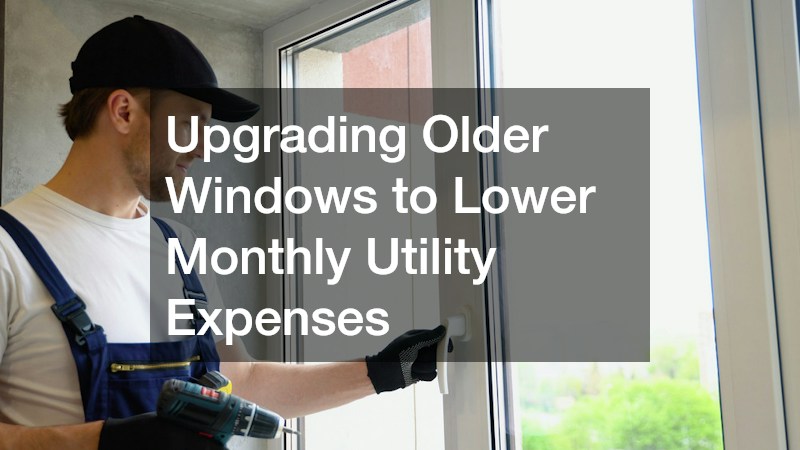
Windows are a crucial component of your home’s exterior envelope, serving as both a primary source of natural light and a main line of defense against ambient temperatures. Older, single-pane or failed double-pane windows permit substantial air infiltration and radiant heat transfer, forcing your heating and cooling equipment to work overtime to keep temperatures stable.
Executing a systematic window replacement project significantly reduces thermal transfer between your living spaces and the outdoors. Modern vinyl, composite, or wood-clad window units incorporate multi-pane glass packages filled with insulating argon gas, low-emissivity coatings, and thermal breaks within the frames.
Upgrading drafty windows delivers an immediate boost in interior draft control, lowers draft noise, and reduces monthly heating and cooling costs. Furthermore, updated multi-point locking systems enhance home security, while modern tilt-in sashes make cleaning easy.
Key Performance Ratings to Evaluate Before Purchasing Windows
- U-Factor: Measures the rate of heat loss; lower numbers indicate better thermal insulation performance.
- Solar Heat Gain Coefficient (SHGC): Measures how well the window blocks radiant solar heat; lower numbers mean less heat enters during summer.
- Visible Transmittance (VT): Measures the amount of natural sunlight passing through the glass assembly.
- Air Infiltration Rating: Measures atmospheric draft leakage through the window frame assembly; lower values indicate tighter construction.
Selecting Premium Materials and Framing for Seamless Installations
A window installation is only as good as the underlying structural materials, flashings, and sealants used during assembly. Choosing cheap materials or skipping key installation steps compromises energy efficiency and can trap water inside wall cavities, leading to hidden rot and mold growth.
Investing in high-quality window supplies ensures that every opening is properly flashed, shimmed, insulated, and sealed against weather penetration. Premium self-adhering flashing tapes, expandable low-pressure polyurethane insulation foams, and commercial-grade exterior sealants create a durable barrier against moisture infiltration and thermal loss.
Matching the right window frame materials to your climate zone is equally important. Fibreglass and vinyl options deliver excellent resistance to rot and moisture, while aluminum-clad wood offers traditional interior aesthetics with weather-resistant exterior durability.
Essential Components of a Weather-Tight Window Opening
- Self-adhered flexible flashing membranes applied around sill pan and side jambs.
- Non-expanding or low-expansion polyurethane foam applied between frame and rough opening framing.
- Corrosion-resistant fasteners designed for structural anchoring into wood or masonry framing.
- Commercial-grade exterior polyurethane or silicone sealants applied around exterior trim joints.
Modernizing Bathrooms with High-End Glass Fixtures for Luxury Appeal
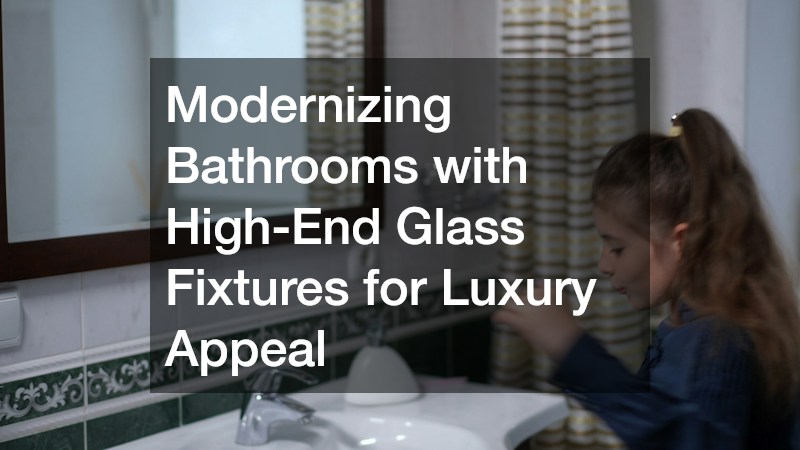
Bathrooms and kitchens remain the top two interior spaces that drive home appraisal values and buyer demand. Today’s home buyers look for modern, spa-inspired bathrooms that offer clean lines, bright natural lighting, and low-maintenance surfaces. Getting rid of old framed shower enclosures or plastic curtains instantly transforms a cramped bathroom into an open, airy retreat.
Installing a sleek custom shower door elevates the entire aesthetic of your master or guest bathroom suite. Thick, tempered glass enclosures remove heavy visual barriers, making small spaces feel significantly larger and showcasing custom tile or natural stone work inside the stall.
Custom glass options can be tailored to fit non-standard wall angles, curb configurations, and ceiling heights. Adding protective glass coatings also repels hard water spots, soap scum, and mineral buildup, keeping the enclosure crystal clear with minimal maintenance.
Key Factors for Planning a Glass Shower Upgrade
- Choose between fully frameless, semi-frameless, or framed track designs based on budget and layout.
- Ensure underlying wall studs are double-framed or reinforced to support heavy, high-density tempered glass.
- Select hardware finishes—such as brushed nickel, matte black, or polished brass—that complement existing faucets and fixtures.
- Apply factory hydrophobic glass treatments to protect against hard water mineral etching over time.
Safeguarding Valuables and Furnishings During Major Remodeling Phases
Major home renovations, while exciting, generate dust, debris, vibration, and foot traffic that can damage fine furniture, artwork, electronics, and heirloom goods. Trying to work around household belongings in active construction zones slows down contractors, risks accidental property damage, and adds unnecessary stress to the remodeling process.
Utilizing climate controlled self storage during multi-room or whole-home renovations provides a safe environment for your personal property. Unlike standard outdoor storage units, climate-controlled spaces maintain consistent temperature and humidity ranges year-round, protecting delicate items from warping, cracking, fabric mold, or moisture degradation.
Clearing construction zones completely allows trade crews to work faster, stay safe, and finish projects on schedule. Once renovations are complete, items can be brought back into clean, finished spaces without dust accumulation or construction wear.
Optimizing Heating and Cooling Systems for Performance and Longevity
Interior comfort depends on a reliable, efficient heating and air conditioning system. Heating and cooling account for more than half of the average home’s energy consumption, making mechanical system efficiency a major factor in overall operating costs. Old, neglected systems consume excessive energy, deliver inconsistent indoor temperatures, and risk unexpected breakdowns during extreme weather.
Partnering with an experienced HVAC company allows you to establish a routine maintenance schedule and plan strategic mechanical system upgrades. Modern heat pumps and high-efficiency air conditioners feature variable-speed compressors, smart controls, and enhanced air filtration, maintaining precise temperatures while running on less energy.
Routine tune-ups—including coil cleaning, refrigerant level checks, electrical terminal tightening, and duct sealing—keep equipment running efficiently for its full expected service life. A modern, well-maintained climate control system provides reliable comfort, improves indoor air quality, and serves as a major selling point for potential buyers.
Prioritizing Renovations with the Strongest Long-Term Financial Return
Managing home improvements requires a balance between personal preferences and long-term financial strategy. Over-customizing spaces with niche design trends or spending too much relative to neighboring property values can limit your return when it comes time to sell. Smart capital allocation focuses on essential repairs, efficiency upgrades, and broad-appeal aesthetic enhancements that build real equity.
Viewing home upgrades as deliberate investments encourages a structured, strategic approach to property management. Rather than reacting to unexpected maintenance emergencies, savvy owners create a multi-year improvement schedule that addresses structural vulnerabilities first, followed by energy efficiency upgrades and value-adding interior remodels.
Building long-term property value requires a thoughtful balance between structural protection, energy efficiency, and modern interior aesthetics. By prioritizing foundational updates like roof maintenance, proper site drainage, and energy-efficient window upgrades alongside targeted interior improvements, you protect your home against the elements while enhancing daily comfort. Every well-planned project strengthens your property’s market appeal and secures your financial equity for years to come.