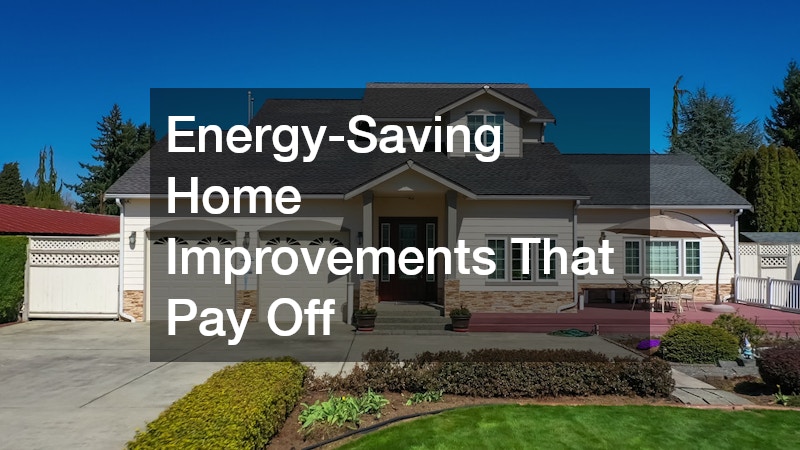
In today’s world, energy efficiency in homes has become more than just a trend—it’s a necessity. Rising energy costs, growing environmental concerns, and the desire for greater comfort have made homeowners rethink how they use energy. Small changes in your living space can lead to significant reductions in energy bills, while major upgrades often provide long-term savings and increase the value of your property. From heating and cooling systems to insulation, lighting, and even landscaping choices, every aspect of a home offers opportunities for energy conservation.
Energy-saving home improvements are investments that not only make your home more comfortable but also ensure you are contributing to a greener future. Many of these upgrades pay for themselves over time through reduced utility bills. For instance, a properly sealed window can prevent heat loss during winter, while modern HVAC systems can drastically lower cooling costs in the summer months. Moreover, some improvements, like installing residential solar panels or high-efficiency appliances, can qualify homeowners for government incentives or rebates, further offsetting upfront costs.
While the financial benefits are compelling, energy-efficient upgrades also enhance overall home comfort. Consistent temperatures, reduced drafts, and improved indoor air quality contribute to a healthier living environment. Homeowners who prioritize efficiency also often notice less wear and tear on their systems, meaning fewer emergency repairs and longer lifespans for crucial components. Whether you are renovating an older home or building a new one, taking a strategic approach to energy efficiency ensures that your efforts yield tangible results. In this blog, we will explore practical energy-saving home improvements that pay off—focusing on actionable solutions for roofing, cooling, water systems, solar power, windows, electrical safety, sewer lines, lighting, shading, and airflow management.
Extend the Life of Your Roof While Saving Energy
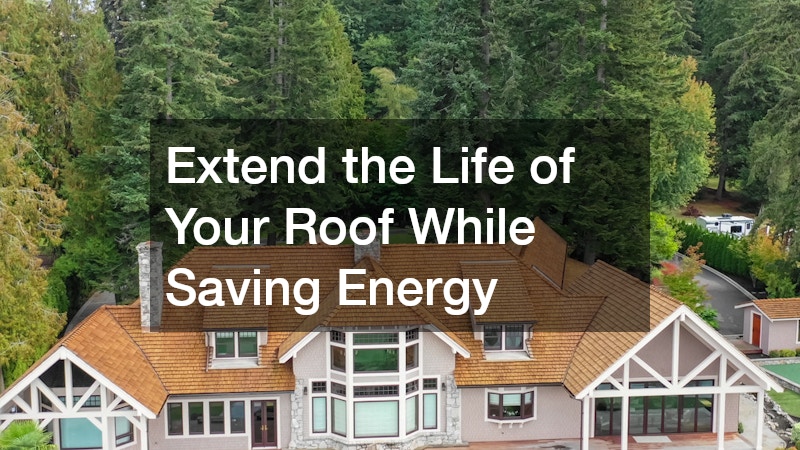
A roof is more than just a protective layer over your home; it plays a critical role in energy efficiency. Proper roofing materials and maintenance can significantly reduce heating and cooling costs. One of the most effective ways to extend the life of your roof while saving energy is through proactive roof repair. Addressing minor leaks, broken shingles, or damaged flashing before they escalate prevents heat loss and minimizes the need for emergency replacements.
Modern roofing solutions also include reflective coatings and energy-efficient materials designed to reduce heat absorption in the summer and retain warmth in the winter. A properly insulated roof, combined with attic ventilation, ensures that your HVAC system doesn’t have to work overtime, which directly translates to lower energy bills. Regular inspections and timely repairs not only maintain the structural integrity of your home but also maximize the energy-saving potential of your roof.
For homeowners planning upgrades, consider materials like metal, clay tiles, or cool-roof shingles. These options often come with higher upfront costs, but they offer long-term energy savings and durability that traditional asphalt shingles can’t match. Investing in roof repair and maintenance is a practical step toward creating a more energy-efficient home, and it often increases the resale value of the property.
Keeping Cool Efficiently During Summer Months
Summer months can be brutal on energy bills, especially if your home’s cooling system isn’t functioning efficiently. Many homeowners overlook the importance of timely ac repair, which can result in systems working harder than necessary and consuming excessive energy. Regular maintenance, including cleaning filters, checking refrigerant levels, and inspecting ducts, ensures that your air conditioning system operates at peak efficiency.
Upgrading to modern, energy-efficient air conditioners or heat pumps can also provide significant savings. Newer units are designed with variable-speed compressors and smart thermostats, allowing for more precise temperature control without unnecessary energy use. In addition, sealing ductwork and ensuring proper insulation around cooling equipment helps prevent energy loss, keeping your home cooler while reducing operational costs.
Homeowners can also explore supplemental solutions such as ceiling fans or programmable thermostats to minimize the load on their AC units. Even simple measures, like closing blinds during peak sunlight hours, can enhance your cooling efficiency. Ultimately, consistent ac repair and thoughtful upgrades help maintain comfort while keeping energy bills manageable, making summer months far more enjoyable and sustainable.
Expert Help for Your Water System Needs
A home’s water system is an often-overlooked source of energy inefficiency. Leaks, old fixtures, and inefficient water heaters can drive up both water and energy costs. Hiring a local plumber for regular inspections ensures that your plumbing system operates smoothly, addressing issues before they become expensive problems.
Water heating is one of the most energy-intensive household functions. Upgrading to energy-efficient water heaters, installing low-flow fixtures, and fixing leaky faucets can reduce energy consumption significantly. A qualified local plumber can also advise on more advanced solutions, such as tankless water heaters or solar water heating systems, which provide on-demand hot water without the energy waste of traditional storage tanks.
Regular maintenance extends the lifespan of your pipes and prevents water damage that could compromise insulation or electrical systems—factors that indirectly affect energy efficiency. Investing in professional plumbing services not only ensures optimal performance but also provides peace of mind that your home’s water system is functioning safely and efficiently.
Harness the Sun to Lower Your Bills
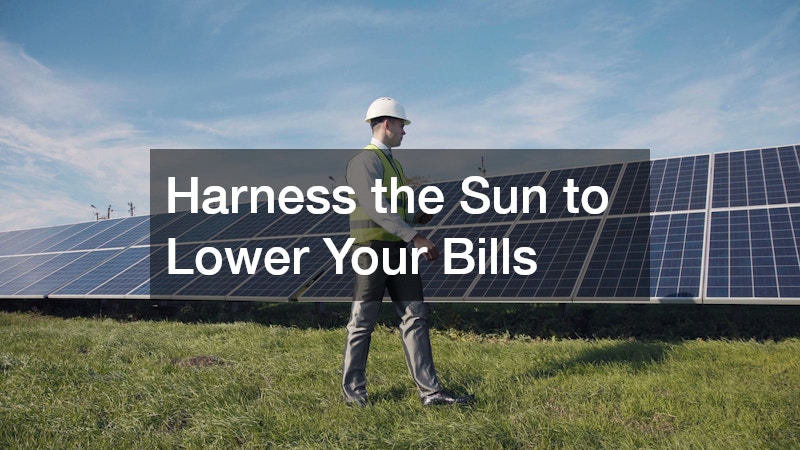
Solar energy has transformed the way homeowners think about electricity. Installing residential solar panels is one of the most effective ways to reduce energy bills and decrease reliance on the grid. Modern solar systems are more affordable and efficient than ever, allowing homes to generate a substantial portion of their electricity from sunlight.
Beyond cost savings, solar panels contribute to environmental sustainability by reducing carbon footprints. Pairing solar installation with battery storage systems can maximize efficiency, providing power even during peak demand hours or outages. Government incentives, tax credits, and local rebates make the investment even more attractive, helping offset initial installation costs.
Proper installation is critical to ensuring the efficiency and longevity of your solar panels. Working with certified solar providers ensures that your system is optimized for your home’s location, orientation, and energy needs. For homeowners looking to make a long-term impact, residential solar panels are not only an energy-saving solution but also a valuable home improvement that pays off over decades.
Upgrade Your View and Reduce Heat Loss
Windows are a major source of heat gain in the summer and heat loss in the winter. Upgrading through window replacement can dramatically improve energy efficiency while enhancing the aesthetics of your home. Modern windows feature double or triple glazing, low-emissivity coatings, and insulated frames that reduce unwanted heat transfer.
Strategically selecting window styles and placements can also contribute to natural lighting, reducing the need for artificial illumination during the day. Proper installation is essential; poorly installed windows can compromise insulation and negate potential energy savings. Professional window replacement ensures tight seals and optimal functionality, preventing drafts and improving indoor comfort.
Energy-efficient windows not only cut utility bills but also reduce noise and protect furnishings from UV damage. When combined with thoughtful shading solutions or window films, they represent one of the most impactful home upgrades for both comfort and long-term cost savings.
Power Up Safely With Professional Assistance
Electrical systems are the backbone of a modern, energy-efficient home. However, attempting DIY electrical work can be dangerous and counterproductive. Hiring a qualified electrician service ensures that your home’s wiring and electrical systems are safe, efficient, and capable of supporting energy-saving technologies.
Upgrades might include installing energy-efficient appliances, smart home devices, or dedicated circuits for high-demand equipment like heat pumps and solar inverters. A professional electrician can also recommend surge protection, proper grounding, and optimized load distribution, all of which contribute to lower energy waste.
Routine electrical inspections catch potential hazards and inefficiencies early. Properly installed outlets, switches, and lighting circuits reduce standby energy consumption and prevent costly repairs. Engaging an electrician service for both maintenance and upgrades is a critical step in creating a home that is safe, modern, and energy-efficient.
Modern Solutions for Underground Waste Lines

Traditional sewer repairs often involve digging large trenches, which can be disruptive and costly. Modern trenchless sewer repair techniques allow homeowners to address underground pipe issues with minimal excavation, saving time, money, and energy. By avoiding extensive digging, these solutions reduce the strain on landscaping and minimize damage to your property.
Trenchless technology also ensures that your sewer lines operate efficiently, preventing leaks that could compromise soil stability or lead to water waste. Efficient wastewater management is an indirect yet important aspect of energy conservation, as it reduces the energy needed for pumping, treatment, and water heating.
Professional trenchless sewer repair uses methods like pipe bursting or cured-in-place pipe (CIPP) lining, which are durable, cost-effective, and environmentally friendly. Homeowners benefit from a long-lasting solution that preserves property value while supporting broader energy-saving goals.
Brighten Your Home Without Wasting Energy
Lighting accounts for a significant portion of household energy use. Upgrading to energy-efficient lighting solutions can dramatically reduce electricity consumption while enhancing the ambiance of your home. Visiting an interior lighting store allows homeowners to explore a wide range of LED options, smart bulbs, and fixtures designed to maximize efficiency without compromising style.
LED bulbs use a fraction of the energy of traditional incandescent bulbs and last much longer, reducing both energy bills and maintenance costs. Smart lighting systems add further efficiency by allowing homeowners to program schedules, dim lights, or control them remotely. Proper placement and fixture choice can also improve illumination while minimizing the number of bulbs needed, ensuring optimal energy use.
Energy-efficient lighting is a simple yet powerful home improvement. By sourcing modern fixtures from a reputable interior lighting store, homeowners gain access to expert guidance, quality products, and solutions that deliver lasting energy savings.
Stylish Shade Options That Cut Energy Costs
Exterior shading is an effective way to control indoor temperatures and reduce reliance on air conditioning. Installing fabric awnings over windows, patios, or decks provides shade where it matters most, blocking heat from entering your home during hot months.
Fabric awnings come in a variety of styles and colors, allowing homeowners to enhance curb appeal while improving energy efficiency. Retractable options provide flexibility, allowing sunlight during colder months while offering protection from intense summer heat. Properly installed awnings can lower cooling costs significantly and reduce sun-related fading of interior furnishings.
This combination of style and function makes fabric awnings a worthwhile investment. They not only improve comfort and appearance but also contribute directly to energy conservation, supporting a more sustainable and cost-effective home environment.
Improve Airflow for a Healthier, Cooler Home
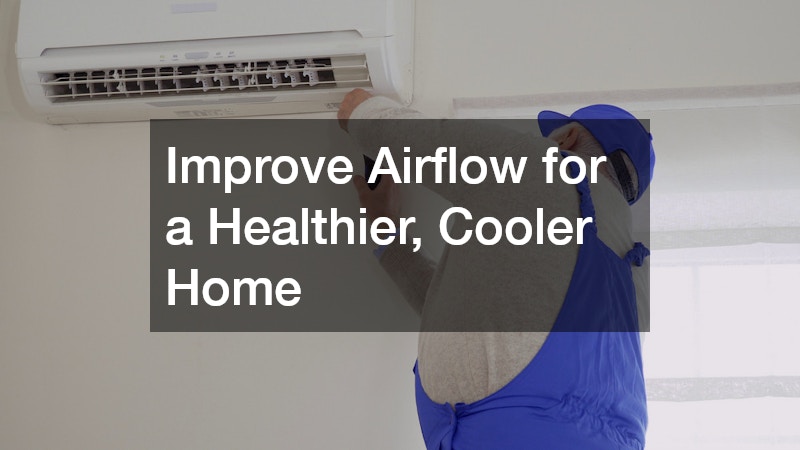
Efficient airflow is crucial for maintaining a comfortable and energy-efficient home. Over time, dust, debris, and mold can accumulate in air ducts, reducing the performance of heating and cooling systems. Hiring an air duct cleaner ensures that your HVAC system operates at peak efficiency, delivering clean, healthy air throughout your home.
Clean ducts improve airflow, reduce strain on fans and compressors, and enhance indoor air quality. This reduces energy consumption, as your system no longer needs to work as hard to maintain desired temperatures. In addition, routine duct cleaning prevents potential health issues caused by allergens or mold spores circulating in the air.
For homeowners aiming to maximize energy efficiency, investing in an air duct cleaner is a proactive step. It supports system longevity, lowers utility bills, and contributes to a healthier living environment, demonstrating that even the unseen parts of your home can have a major impact on energy savings.
Energy-saving home improvements provide a compelling combination of comfort, cost reduction, and long-term value. From proactive roof repair to advanced cooling systems, water efficiency, solar power, window replacement, electrical upgrades, trenchless sewer repair, efficient lighting, stylish shading, and clean air ducts, every improvement offers tangible benefits. These upgrades not only help lower energy bills but also contribute to environmental sustainability, enhance indoor comfort, and increase property value.
Investing in energy efficiency is an ongoing process rather than a one-time task. Routine maintenance, expert consultation, and strategic upgrades ensure that every system in your home operates optimally. Whether it’s fixing minor leaks, upgrading outdated appliances, or installing high-efficiency technologies, each step brings measurable benefits. Homeowners who take a proactive approach often find that their energy bills decrease, their home becomes more comfortable, and emergency repair costs decline.
In addition to financial savings, energy-efficient homes support a healthier lifestyle. Proper ventilation, clean air ducts, and modern lighting systems create a safer and more pleasant living environment. Exterior improvements like fabric awnings and window replacement further enhance comfort by controlling heat gain and loss. For those considering renewable energy, residential solar panels provide a long-term solution that combines sustainability with economic advantage.
Ultimately, energy-saving home improvements are a smart investment for anyone looking to reduce costs, protect the environment, and create a more comfortable living space. By approaching home upgrades thoughtfully, homeowners can enjoy significant financial, environmental, and lifestyle benefits for years to come. Making these changes now ensures not only immediate savings but also long-term resilience in an increasingly energy-conscious world.